
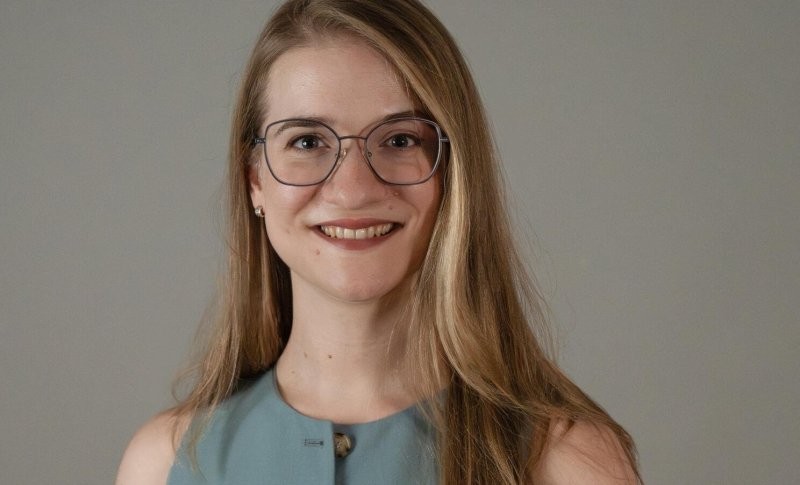
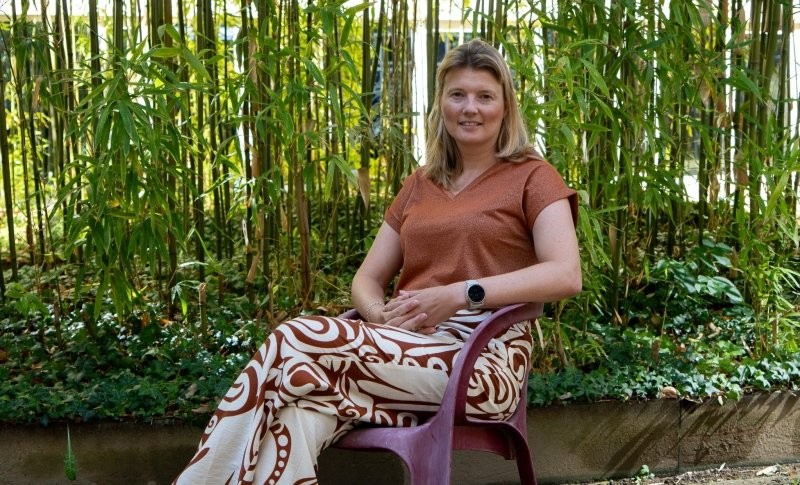


Floor Heubel-Moenen
Post doc
Dr. Floor Heubel-Moenen is an internist-haematologist and haemophilia practitioner and assistant professor at Maastricht University Medical Center+ (MUMC+), a recognized expert centre for haemophilia, von Willebrand disease, and platelet function disorders. She obtained her PhD in 2022 with a thesis on “Diagnostics and mechanisms of haemostasis in patients with mild bleeding disorders and thrombocytopenia.”
She has since established a national research line on bleeding disorders of unknown cause (BDUC), integrating clinical phenotyping, advanced haemostasis diagnostics, and patient-centred outcomes within the multicentre BDUC-iN study. Her work focuses on improving diagnostic yield and enabling mechanism-based care through innovative haemostasis assays, including the Maastricht Flow Chamber, which she pioneered for application in BDUC diagnostics.
In recognition of her leadership in translating novel diagnostics into clinical practice, she was awarded the Translate2Clinic Fellowship (2023), providing dedicated research time and funding for a PhD position. In 2026, she received funding from the Academic Fund MUMC+ to further expand the BDUC-iN study. She was also awarded the ISTH Clair McLintock Award for her research on haemostasis in menstrual blood.
Dr. Heubel-Moenen is actively involved in education and supervision, teaching in national courses on transfusion medicine and haemostasis, clinical chemistry training programmes, PhD education and Medical curriculum. She supervises multiple PhD candidates as well as bachelor’s and master’s students.
At the national level, she serves as board member of the Dutch Society of Haematology (NVVH) and chairs the Dutch guideline committee on bleeding evaluation. She is also associate editor of Research and Practice in Thrombosis and Haemostasis (RPTH).
Internationally, she is an active member of the ISTH Scientific Subcommittee on von Willebrand Factor, contributing to the definition and recognition of BDUC and (co-)chairing the ISTH-SSC joint sessions on BDUC. She is a frequently invited speaker at international conferences, including the European Hematology Association (EHA), EAHAD, ISTH SSC meetings, and the Åland Island Meeting on von Willebrand Disease.
Beyond her clinical and research activities, she is engaged in regional fundraising initiatives, including the project “Bloedtesten door dik en dun” for the Health Foundation Limburg. Her work is driven by a strong commitment to multidisciplinary collaboration between clinicians, laboratory specialists, fundamental scientists, and patients, as the foundation for innovation and excellence in bleeding disorder care.
